
Headshot Poses for Women: Poses by Role, Plus Model Poses
The best headshot pose for women is a 30 to 45 degree turn with the face back to the lens. Eight poses with setup steps, which suit your job, and model poses.

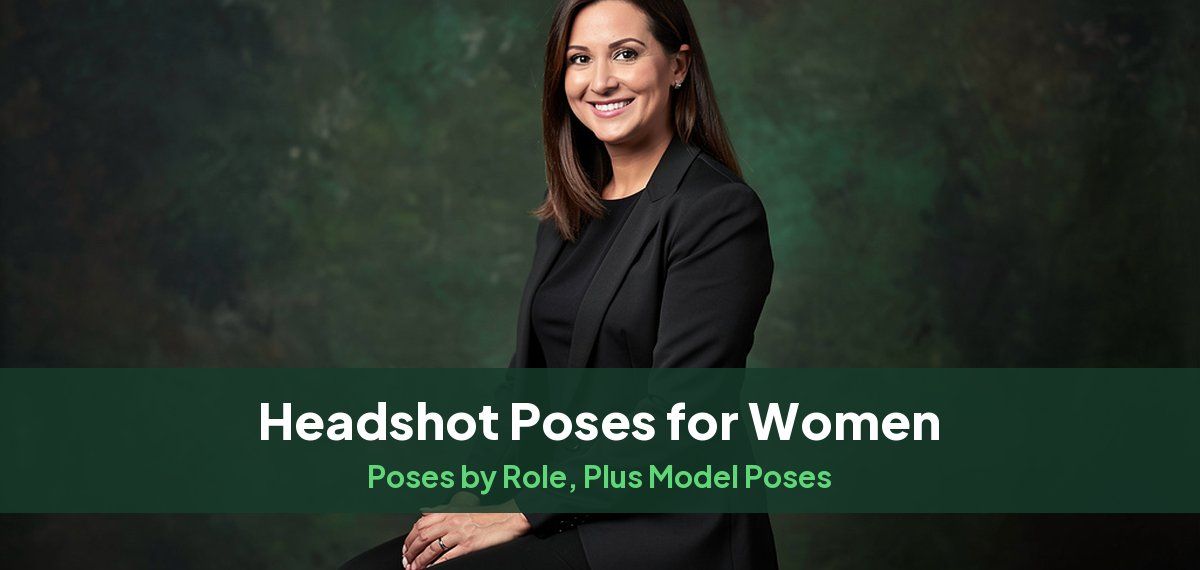
The headshot pose that works for most women is the three-quarter turn: body turned 30 to 45 degrees from the camera, face back to the lens, chin pushed slightly forward and down, and shoulders relaxed. From there, you square up for more authority, as a power pose or loosely crossed arms, or lean in and smile for more warmth, depending on your role.
This guide covers eight headshot poses for women, step by step, which suit which jobs, how traditional and modern companies read them, and a section of model poses for portfolio and lifestyle shoots. For the mechanics behind every pose, see our headshot poses guide. For men, see headshot poses for men, and for a role-by-role corporate guide, professional headshot poses.
Why the pose matters
People judge how trustworthy and competent a face looks after seeing it for about 100 milliseconds, so the pose is doing work before anyone reads your name.
Posing itself is not different for women. The differences come down to geometry: bone structure, shoulder width and neck length. How a pose is read can differ, though. In a study of physician photos, male physicians in open postures were rated more positively across every professional role, while female physicians in open postures were rated as just as medically competent but tended to score lower on social skills. That is not a reason to avoid strong poses. It is a reason to choose on purpose how much authority and how much warmth you want the photo to show.
Women's headshot poses at a glance
| Pose | Body | Head | Hands | Best for |
|---|---|---|---|---|
| Three-quarter turn | 30 to 45 degree turn | back to the lens, chin forward and down | out of frame or relaxed | almost every role, LinkedIn |
| Power pose | squared or nearly squared | level, chin slightly forward | arms loosely crossed, or at your sides | management, finance, law, IT |
| Angled stance, hand at the hip | three-quarter turn, weight on the back foot | forward and slightly down | one hand at the hip | marketing, sales, consulting |
| The lean-in | slight turn, leaning toward the camera | level, direct eye contact | loosely clasped at the waist | consulting, advisory, client service |
| Seated lean | seated at a slight angle | forward and slightly down | crossed in the lap | corporate profiles, anyone more at ease seated |
| Seated power pose | seated upright, feet flat | level | resting on the thighs | board and leadership pages |
| Hand on the chin | three-quarter turn, leaning forward | resting lightly on the fingers | one hand under the chin | creative roles, writers, coaches |
| Over-the-shoulder | turned away, looking back | turned to the lens | out of frame | actors, creatives, personal brands |
The eight poses, step by step
1. The three-quarter turn
- Angle: turn your body 30 to 45 degrees away from the camera.
- Chin: bring your face back to the lens, then push your chin about an inch forward and tilt it slightly down. This sharpens the jawline.
- Shoulders: relaxed and dropped, the near shoulder slightly lower.
- Hands: out of frame, or relaxed at your sides.
- Expression: a soft, closed-mouth smile, with a slight lift of the lower eyelids.
Who it suits: almost everyone. It is the safe choice for LinkedIn and most corporate profiles, and it narrows the shoulder line.
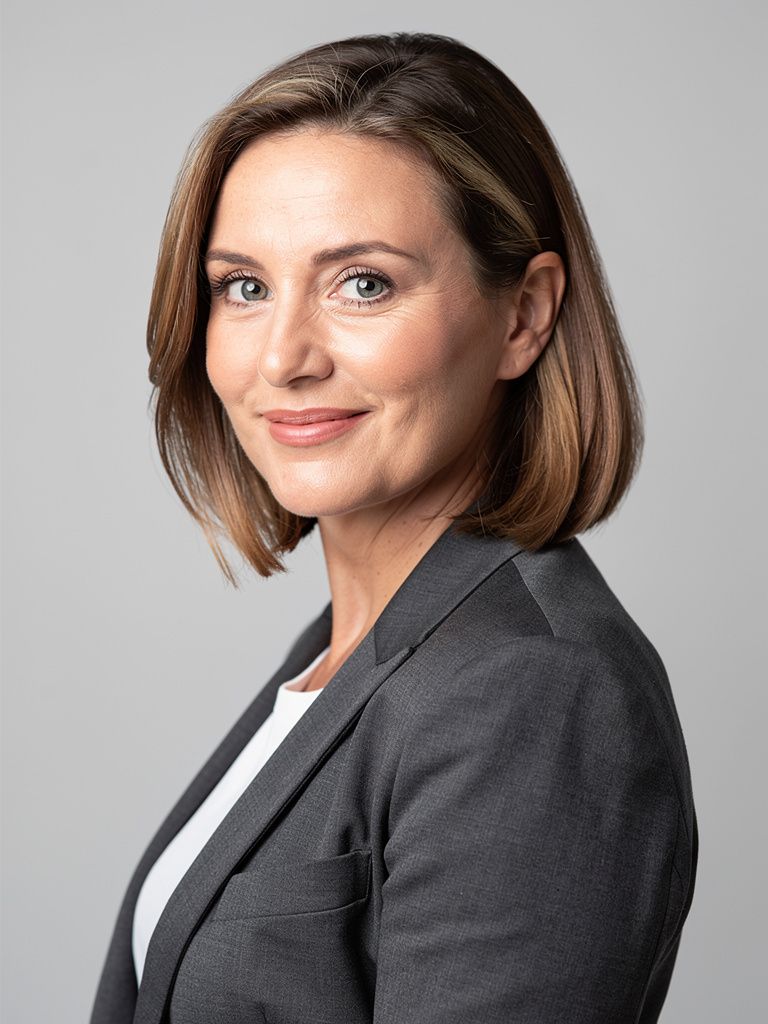
2. The power pose
- Angle: squared or nearly squared to the camera.
- Chin: level and slightly forward.
- Shoulders: back and even.
- Hands: arms crossed loosely at mid-forearm, or at your sides.
- Expression: confident and composed, with a slight smile.
Who it suits: management, finance, law and IT.
Keep the arms loose and the fingers visible. Tightly crossed arms with raised shoulders read as defensive rather than confident.
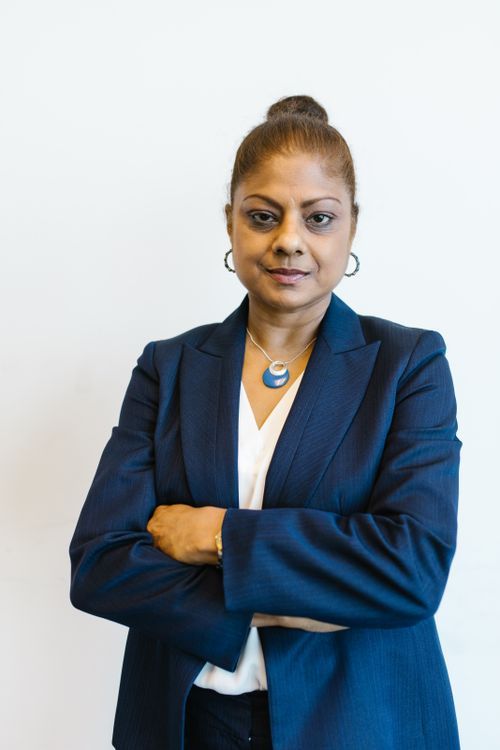
3. The angled stance with a hand at the hip
- Angle: three-quarter turn, weight on the back foot.
- Chin: forward and slightly down.
- Shoulders: relaxed, the near shoulder slightly lower.
- Hands: one hand resting lightly at the hip, the other at your side or on a chair or rail.
- Expression: a warm smile.
Who it suits: marketing, sales, consulting, and acting headshots that need some personality.
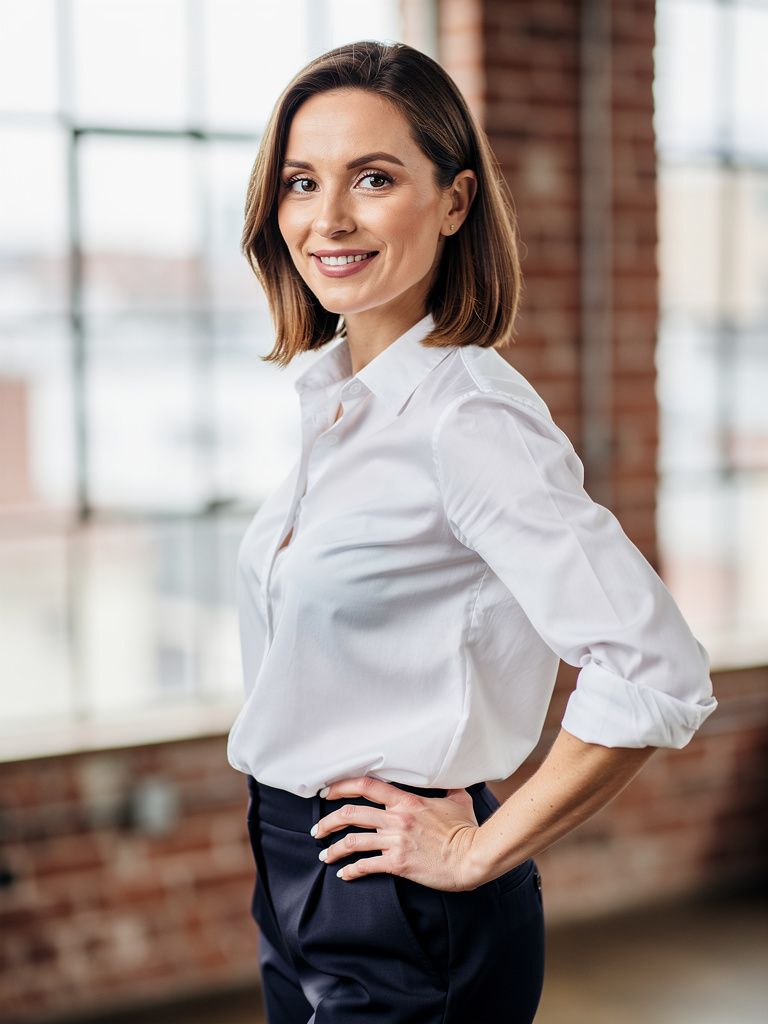
4. The lean-in
- Angle: a slight turn, leaning toward the camera from the waist.
- Chin: level, with direct eye contact.
- Shoulders: relaxed, not hunched.
- Hands: loosely clasped at the waist, or relaxed across the torso.
- Expression: a genuine smile that reaches the eyes.
Who it suits: consulting, advisory and client-service roles, where the photo should feel like the start of a conversation.

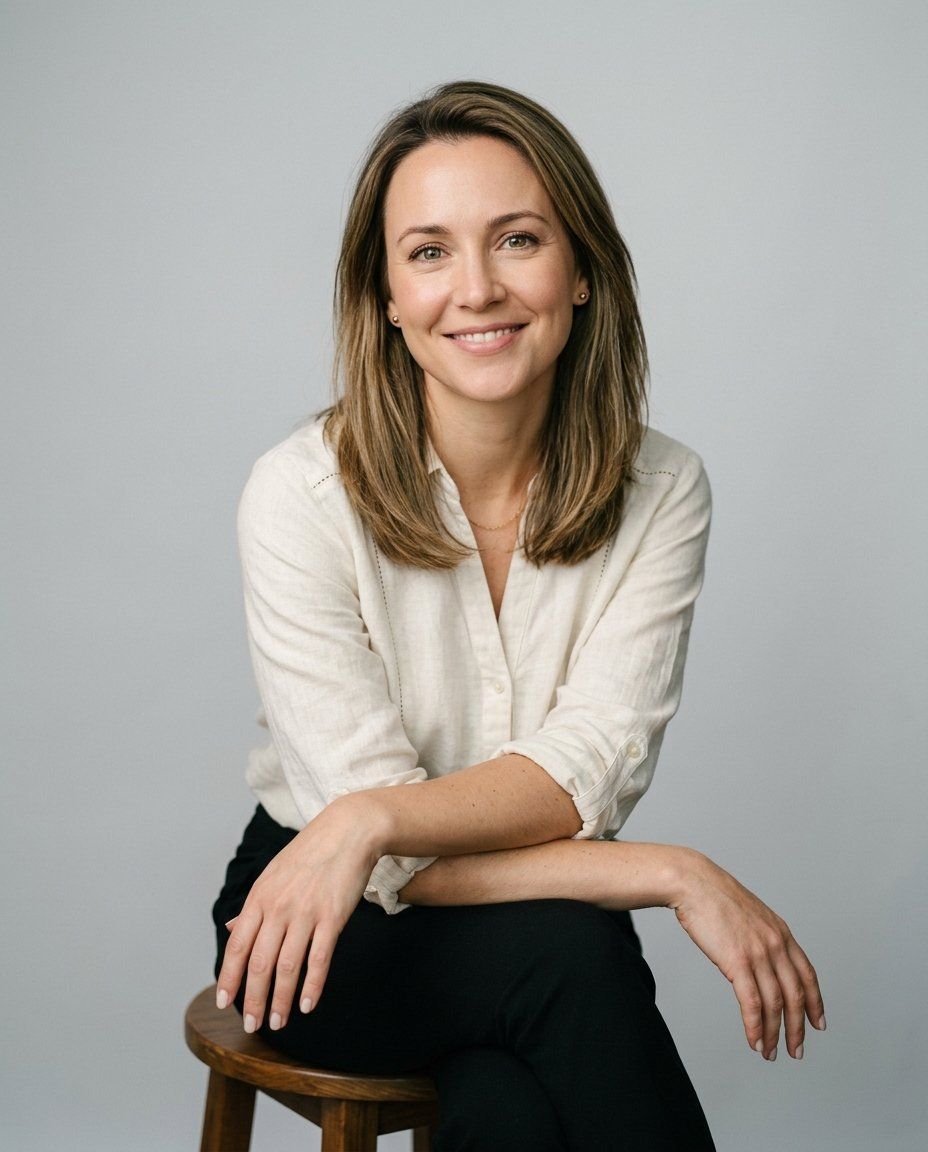
5. The seated lean with hands in the lap
- Angle: seated at a slight angle to the camera, toward the front of the chair.
- Chin: forward and slightly down.
- Shoulders: relaxed, back straight.
- Hands: resting crossed in your lap, or forearms on your knees for more of a lean.
- Expression: neutral for formal roles, a soft smile otherwise.
Who it suits: corporate profiles, and anyone who is more comfortable seated.
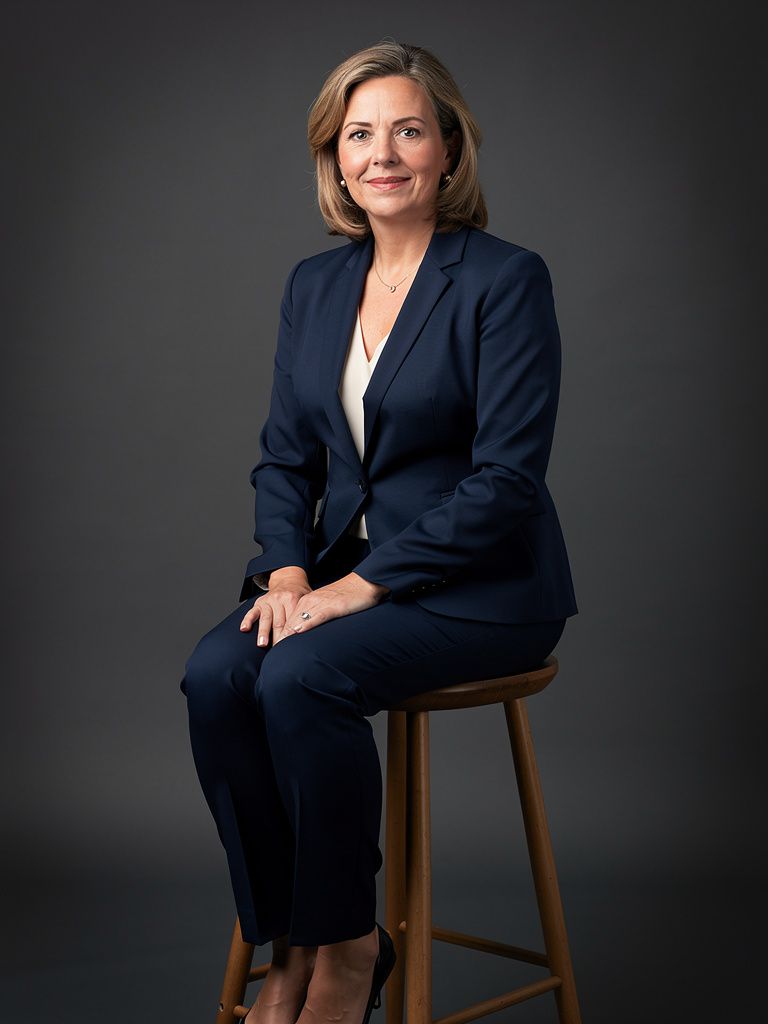
6. The seated power pose
- Angle: seated upright, squared or slightly angled to the camera.
- Chin: level.
- Shoulders: level and back.
- Hands: resting on the thighs, feet flat on the floor.
- Expression: composed, with a slight smile.
Who it suits: board, leadership and partner pages, where the photo should read as steady.
7. The hand on the chin
- Angle: three-quarter turn, leaning slightly forward.
- Chin: resting lightly on the back of the fingers, not propped.
- Shoulders: relaxed.
- Hands: one hand under the chin, fingers soft.
- Expression: a genuine smile.
Who it suits: creative roles, writers and coaches. It is too casual for most finance and law pages.

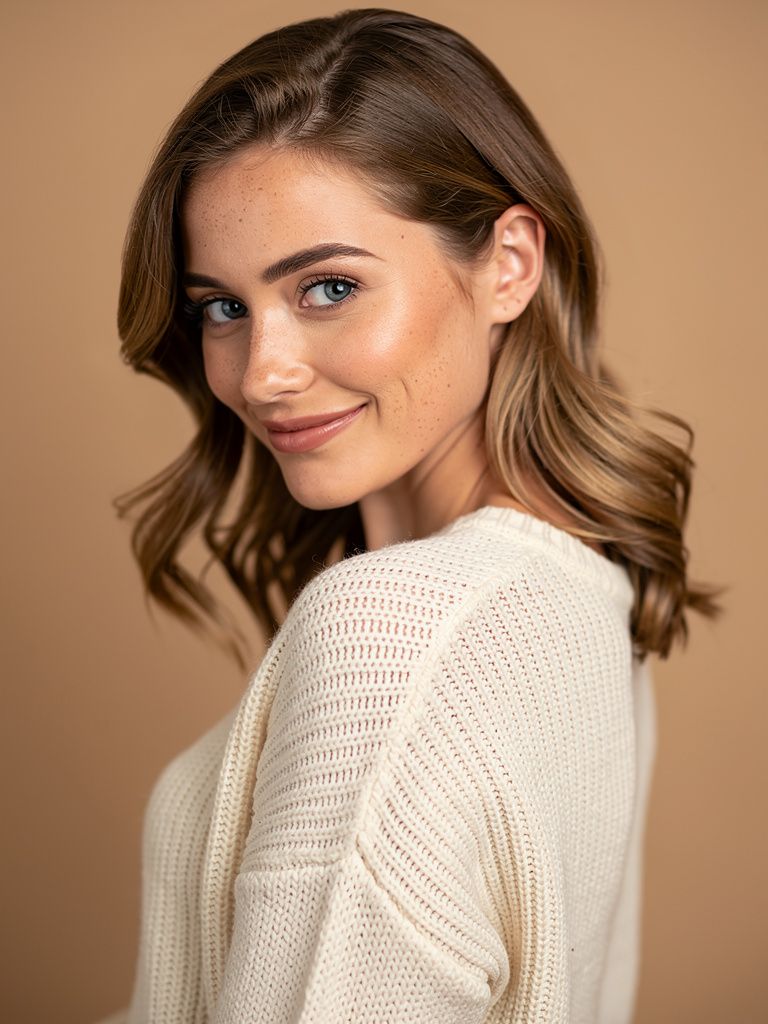
8. The over-the-shoulder look
- Angle: body turned away from the camera, 60 degrees or more.
- Chin: turned back to the lens over the near shoulder, chin slightly down.
- Shoulders: relaxed, the near shoulder slightly raised toward the chin.
- Hands: out of frame.
- Expression: a soft smile or a calm, direct look.
Who it suits: actors, creatives and personal brands. It reads as less formal than the other poses, so it is rarely the right choice for a corporate directory.
Which pose for your role
| Field | Pose | Expression | Avoid |
|---|---|---|---|
| Finance and law | power pose or seated power pose for partners, three-quarter turn for associates | composed, a subtle smile | a big grin, hand on the chin |
| Management and IT | power pose, loosely crossed arms | confident, a slight smile | tightly crossed arms with high shoulders |
| Sales and marketing | angled stance with a hand at the hip, the lean-in | a full, natural smile | a stiff, squared stance |
| Consulting and client service | the lean-in, three-quarter turn | warm and direct | closed posture |
| Healthcare | three-quarter turn, the lean-in | a genuine smile | crossed arms, a downward head tilt |
| Creative | hand on the chin, over-the-shoulder | relaxed, off-camera glances are fine | the generic corporate pose |
Traditional and modern companies read these poses differently.
| Traditional corporate | Modern corporate | |
|---|---|---|
| Industries | finance, law | tech, startups, creative, marketing |
| Pose | formal, straight-on or a slight turn | relaxed, candid, more angle |
| Expression | serious and composed | friendly, often smiling |
| Outfit | tailored suit or blazer in black, navy or gray | professional with personal touches |
| Background | solid neutral | office, brand color or environment |
Expression, hair and clothes
- The squinch. Raise your lower eyelids slightly while keeping the upper lids steady. Photographer Peter Hurley, who named it, uses it to fix the wide-eyed look that reads as nervous on camera.
- Match the smile to the role. A genuine smile suits client-facing and healthcare roles. A subtle closed-mouth smile keeps more authority for senior roles in finance and law. For more, see should you smile in a headshot.
- Keep hair off the face. Hair falling across an eye or the jawline hides the features the photo is for. Tuck it behind one shoulder or behind an ear on the side nearer the camera.
- To look slimmer, turn one shoulder toward the camera, keep a small gap between your arms and your body, and keep the chin forward and down.
For outfits, hair and makeup, see what to wear for professional headshots for females and makeup for professional headshots.
Common mistakes and fixes
| Mistake | What it looks like | Fix |
|---|---|---|
| Arms pressed to the sides | arms look wider, posture looks stiff | leave a small gap, elbows slightly back |
| Chin up | nostrils visible, looks distant | chin forward, then slightly down |
| Extreme head tilt | 15 degrees or more, reads as unsure | keep tilts to 5 to 10 degrees |
| Defensive arms | tightly crossed, shoulders raised | cross loosely at mid-forearm, drop the shoulders, show the fingers |
| Forced smile | the mouth smiles, the eyes do not | reset between frames, laugh, think of something that made you smile |
Model poses for women
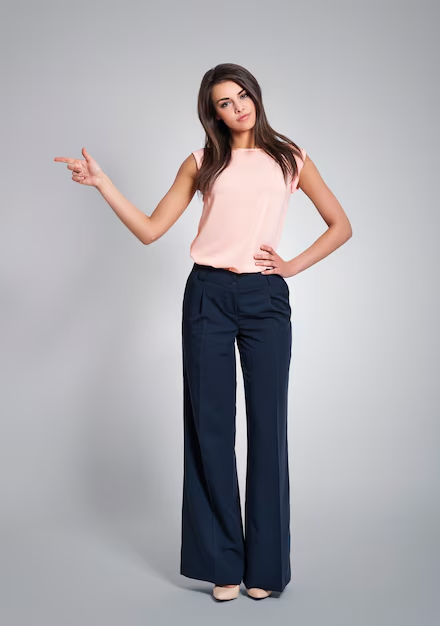
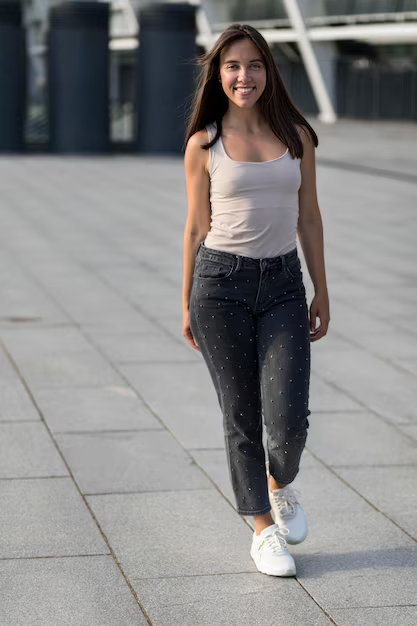
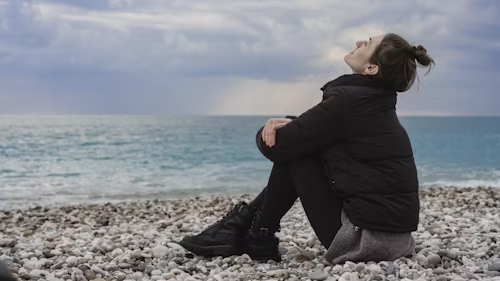
Modeling and lifestyle shoots allow more movement than a business headshot. A few standard poses:
| Style | Poses | Tip |
|---|---|---|
| Editorial and fashion | angular poses with sharp lines in the arms and torso, over-the-shoulder looks, hands lightly at the face or hair | keep the hands soft, not clawed |
| Casual and lifestyle | leaning on a wall or chair, walking shots, candid sitting | let the weight shift, do not stand square |
| Fitness | dynamic stances and action poses that show form | keep lines strong and posture tall |
For a modeling portfolio specifically, see female model headshots.
How to practice
- Mirror and self-timer. Ten minutes a day trying angles and expressions, ideally in natural light from a window.
- Pick two or three poses from the table above for your role, and decide what your hands will do in each.
- Look at headshots of women doing well in your field, and note how they stand and how much they smile.
If you want to see yourself in several poses without a shoot, Headshots by Magic Studio makes 50 headshots across 5 looks from about ten of your own photos in around 15 minutes. You see them before paying, and packs start at $49: a starter pack of 3, all 50 for $59, or all 50 in print-ready high resolution for $69. When you review them, ask someone else for an opinion: you are used to your mirrored selfie face, so an un-mirrored photo can look wrong to you and right to everyone else.
Common questions
What are the best headshot poses for women?
The three-quarter turn works for almost everyone: body angled 30 to 45 degrees, face back to the lens, chin slightly forward and down. For more authority, use a power pose with squared shoulders and loosely crossed arms, or a seated power pose. For more warmth, use the lean-in or an angled stance with one hand at the hip, with a genuine smile.
How should a woman pose for a professional headshot?
Turn your body 30 to 45 degrees from the camera, bring your face back to the lens, push your chin slightly forward and down, relax your shoulders and keep your hands out of frame or loosely placed. Square up more for finance, law or management, and soften the angle with a fuller smile for client-facing, creative or healthcare roles.
Should women cross their arms in a headshot?
It can work well for executives and for finance, law and IT, as long as the arms are crossed loosely at mid-forearm, the shoulders are dropped, the fingers are visible and you smile slightly. Tightly crossed arms with raised shoulders look defensive, and crossed arms are best avoided in healthcare headshots.
Is a hand on the hip a good headshot pose?
Yes, for roles that reward personality, such as marketing, sales and consulting. Keep the hand resting lightly at the hip rather than gripping it, turn the body to a three-quarter angle with your weight on the back foot, and keep the other arm relaxed.
What are good model poses for women?
For editorial and fashion shoots, angular poses with sharp lines in the arms, over-the-shoulder looks and soft hands near the face. For lifestyle shoots, leaning on a wall, walking toward the camera and candid sitting poses. For fitness, dynamic stances that show form.
How do you look slimmer in a headshot?
Turn one shoulder toward the camera rather than facing it straight on, leave a small gap between your arms and your body, and push your chin slightly forward and down. A straight-on pose with the arms pressed to the sides makes anyone look wider.